
Yayoi Kusama, the legendary Japanese artist and «Queen of Polka Dots», dies at 97
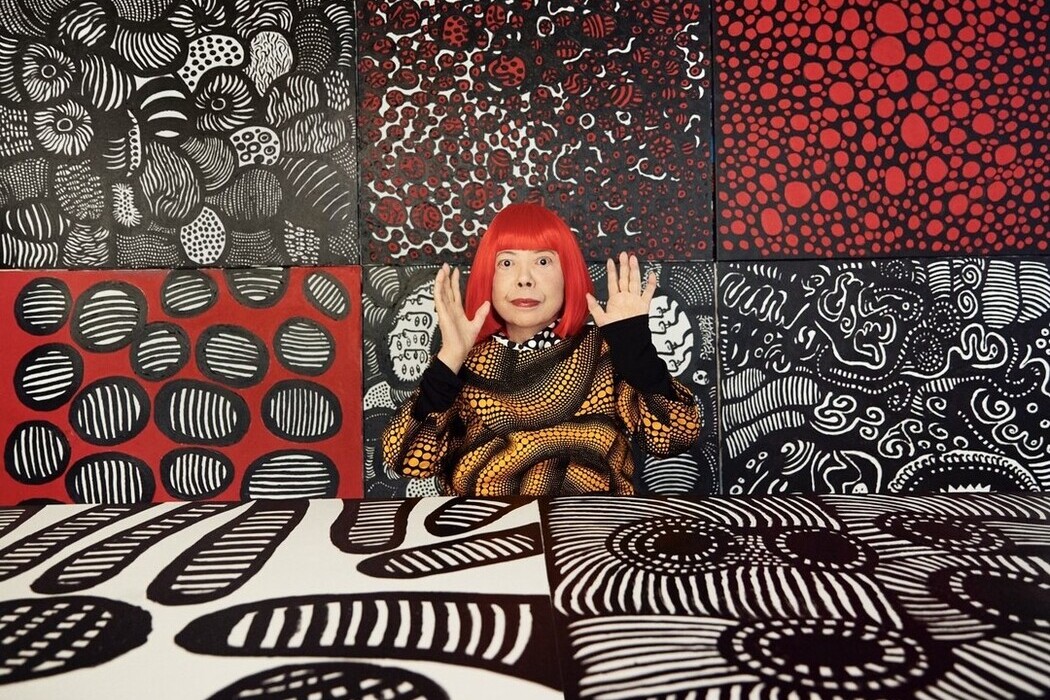
She was 97
World-renowned Japanese artist Yayoi Kusama has died in Tokyo at the age of 97. Her death was announced on August 27 by the museum and foundation that bear her name.
Kusama died at a Tokyo hospital on August 14. The cause of death was multiple organ failure. According to representatives of the foundation, she continued working almost until her final days.
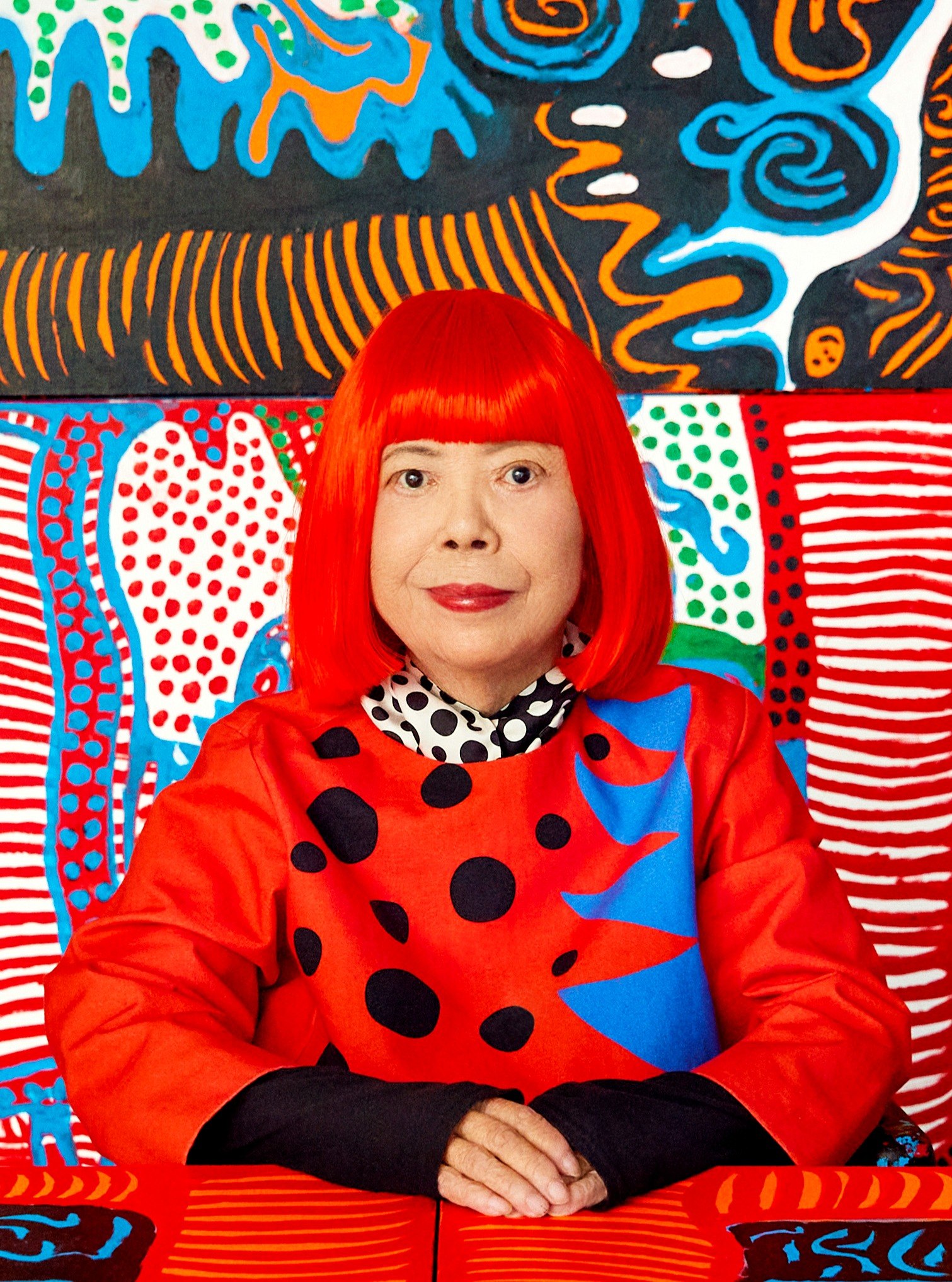
Yayoi Kusama was born on March 22, 1929, in the Japanese city of Matsumoto. She began drawing as a child. From an early age, she experienced visual and auditory hallucinations, seeing flashes of light, flowers, nets and patterns of dots that seemed to fill the space around her. These images would later form the basis of her distinctive artistic language.
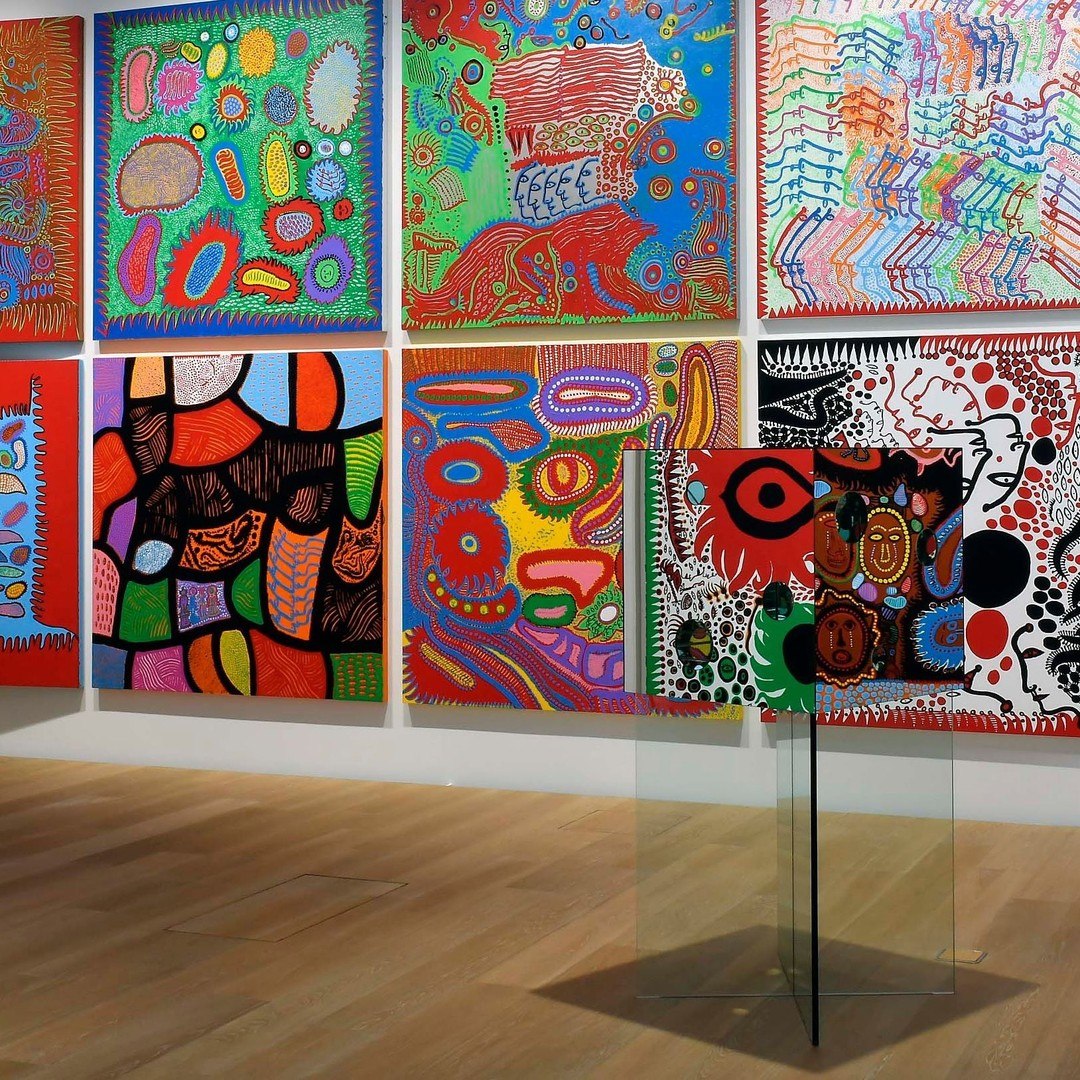
In the late 1950s, Kusama moved to New York, where she became part of the avant-garde art scene. Working across painting, sculpture, installation, performance, film and literature, she explored themes of infinity, repetition, fear and the dissolution of the self within space. During the 1960s, she also staged anti-war protests and provocative performances.
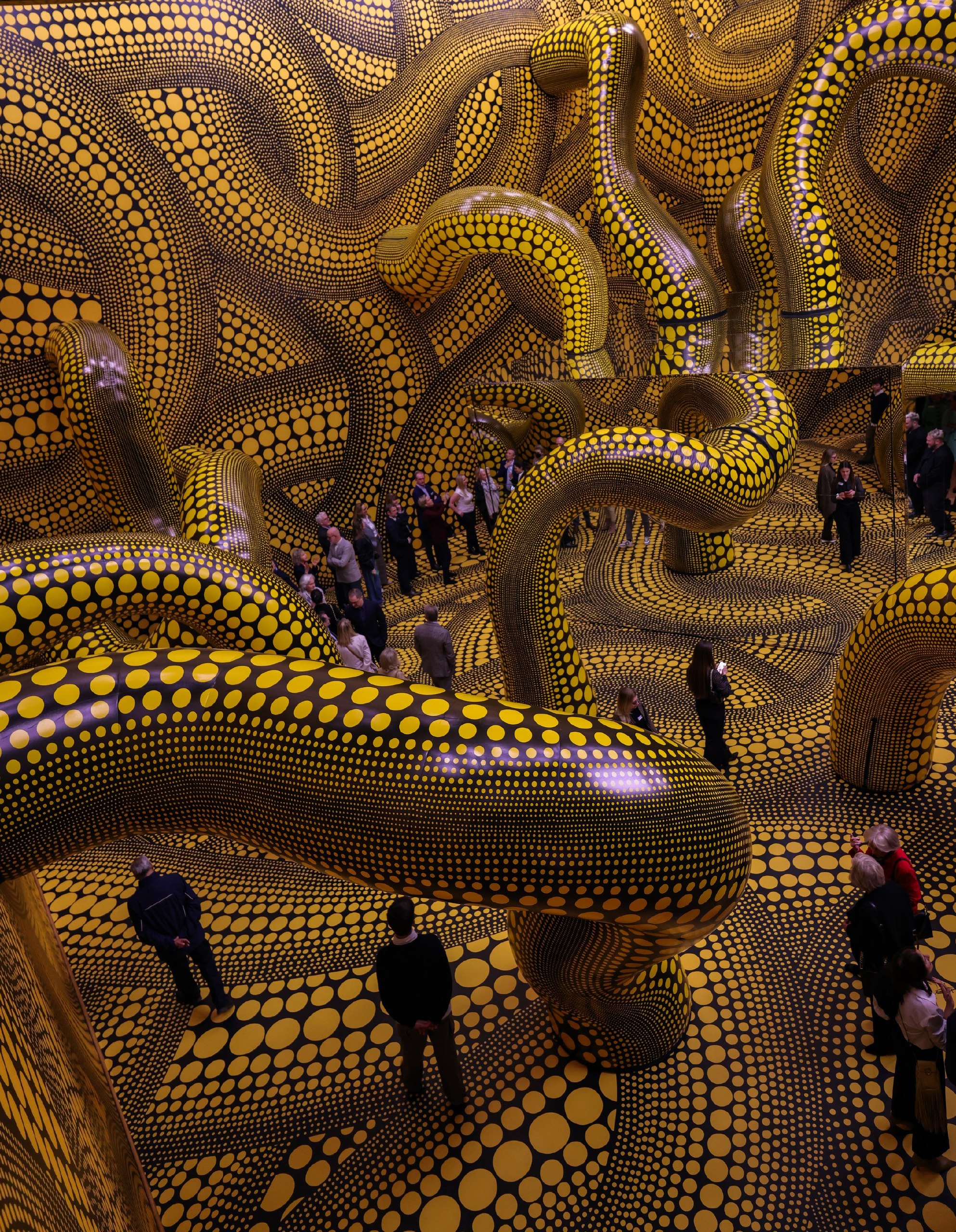
One of her best-known works was the 1965 installation Infinity Mirror Room — Phalli’s Field. The mirrored rooms, in which light and objects are reflected repeatedly to create the illusion of limitless space, later became Kusama’s signature. Her pumpkin sculptures, paintings from the Infinity Nets series and trademark polka-dot patterns became equally iconic.
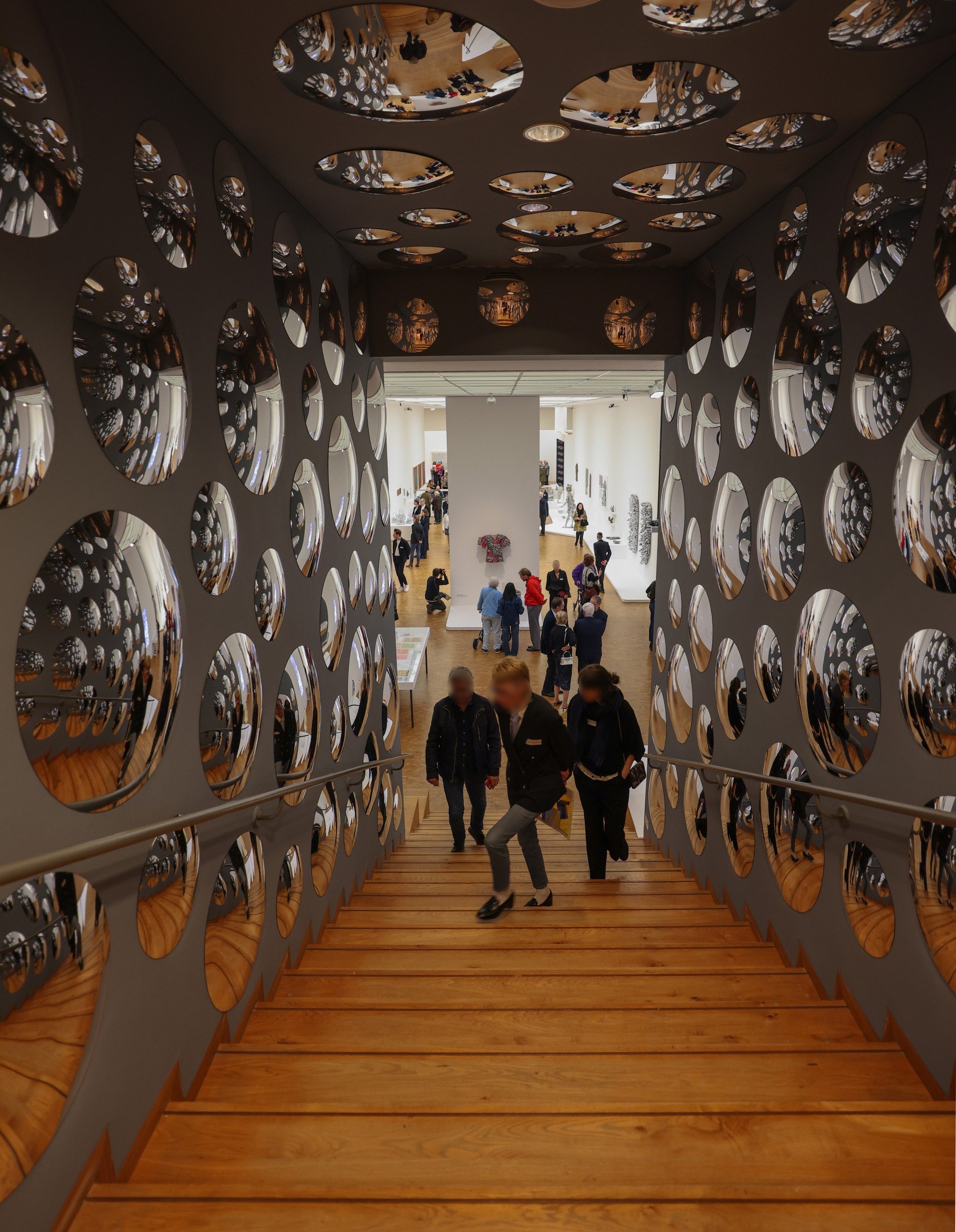
The Venice Biennale held a special place in Kusama’s artistic career. In 1966, without an official invitation, she presented Narcissus Garden, an installation comprising around 1,500 mirrored spheres. In 1993, she officially represented Japan at the country’s national pavilion during the 45th Venice Biennale. The event marked an important milestone in her return to the international art scene.
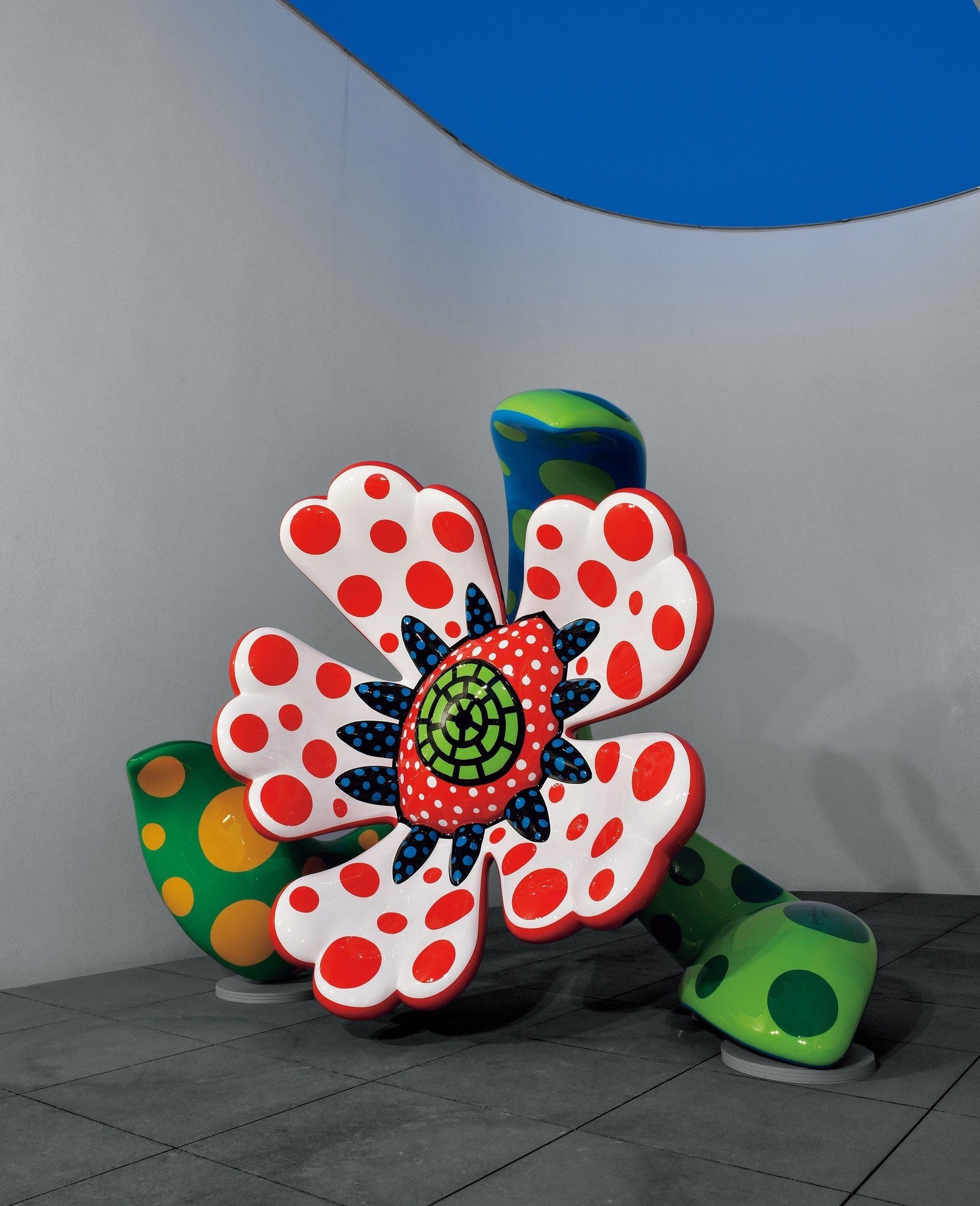
Kusama returned to Japan from the United States in 1973, where she continued to create paintings and installations while also writing literary works. From 1977 onward, she voluntarily lived in a psychiatric hospital in Tokyo and worked every day at her nearby studio. The artist repeatedly said that it was art that helped her live and cope with her psychological struggles.
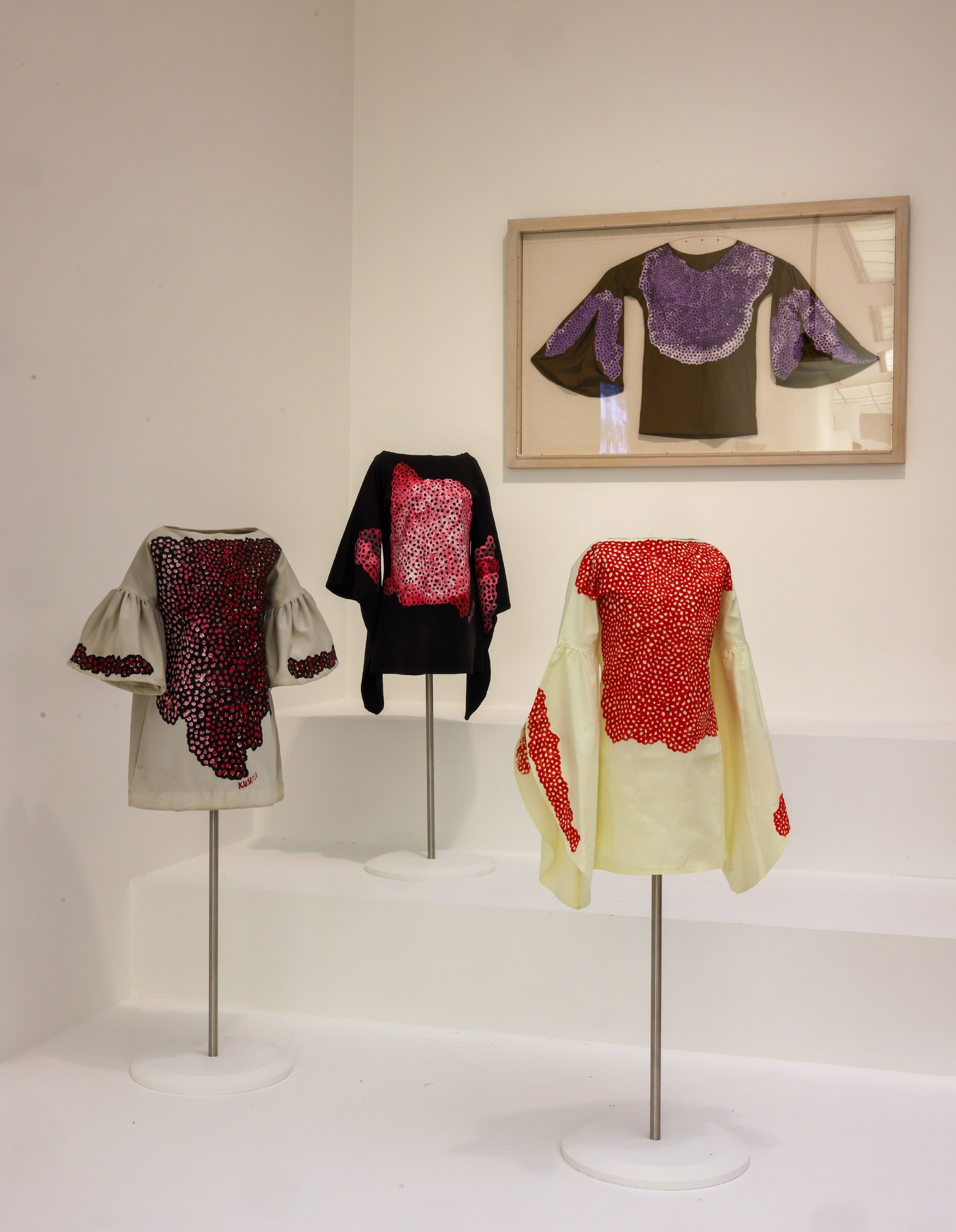
Kusama’s work had long since extended beyond museum spaces. She collaborated with designer Issey Miyake and created a collection with Louis Vuitton in 2012. Her famous dots adorned the fashion house’s clothing, shoes, bags and accessories. In 2023, Kusama and the French luxury brand renewed their collaboration, unveiling a second major collection.

The artist was also known for her social activism. In 1968, amid the Vietnam War, she addressed an open letter to US President Richard Nixon. In it, Kusama compared Earth to a tiny dot among millions of celestial bodies and called for an end to the war.
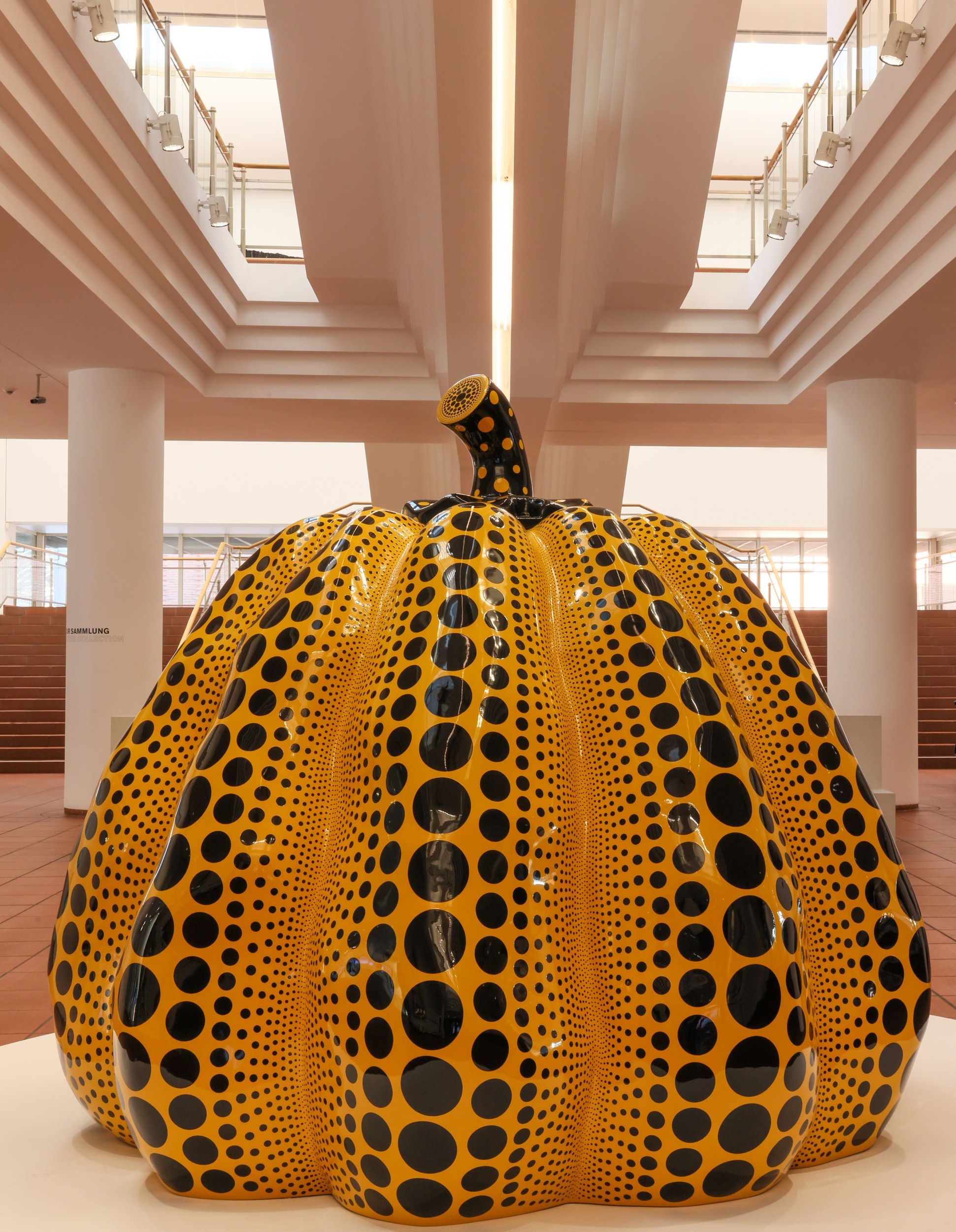
Yayoi Kusama’s works have been exhibited at MoMA, the Whitney Museum, Tate Modern and other leading museums around the world. In 2016, she was awarded Japan’s Order of Culture, and the following year a museum dedicated to her work opened in Tokyo.
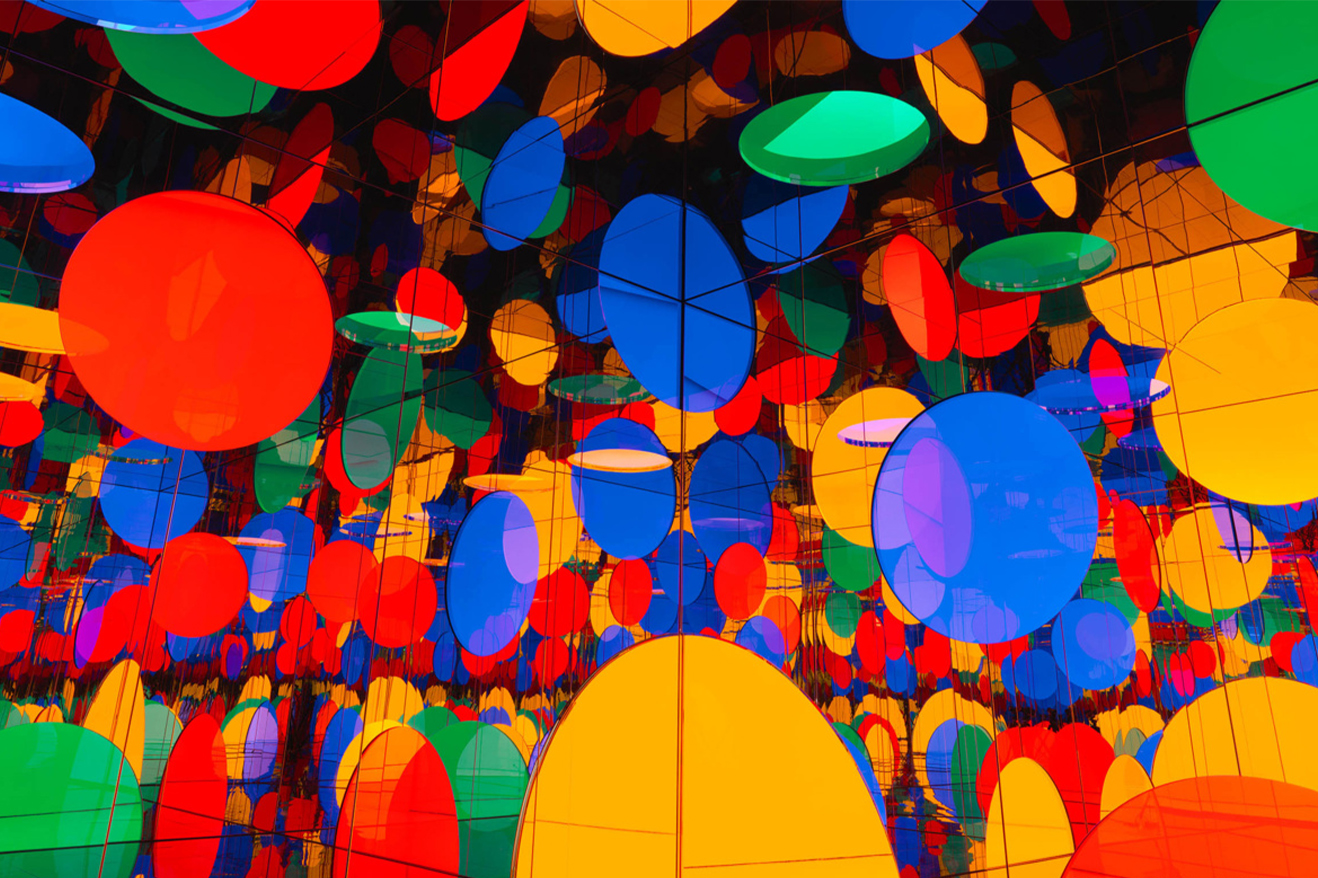
Kusama became one of the most influential and successful artists of the modern era. Her dots, mirrored rooms and pumpkins transcended the art world to become instantly recognisable symbols of popular culture.
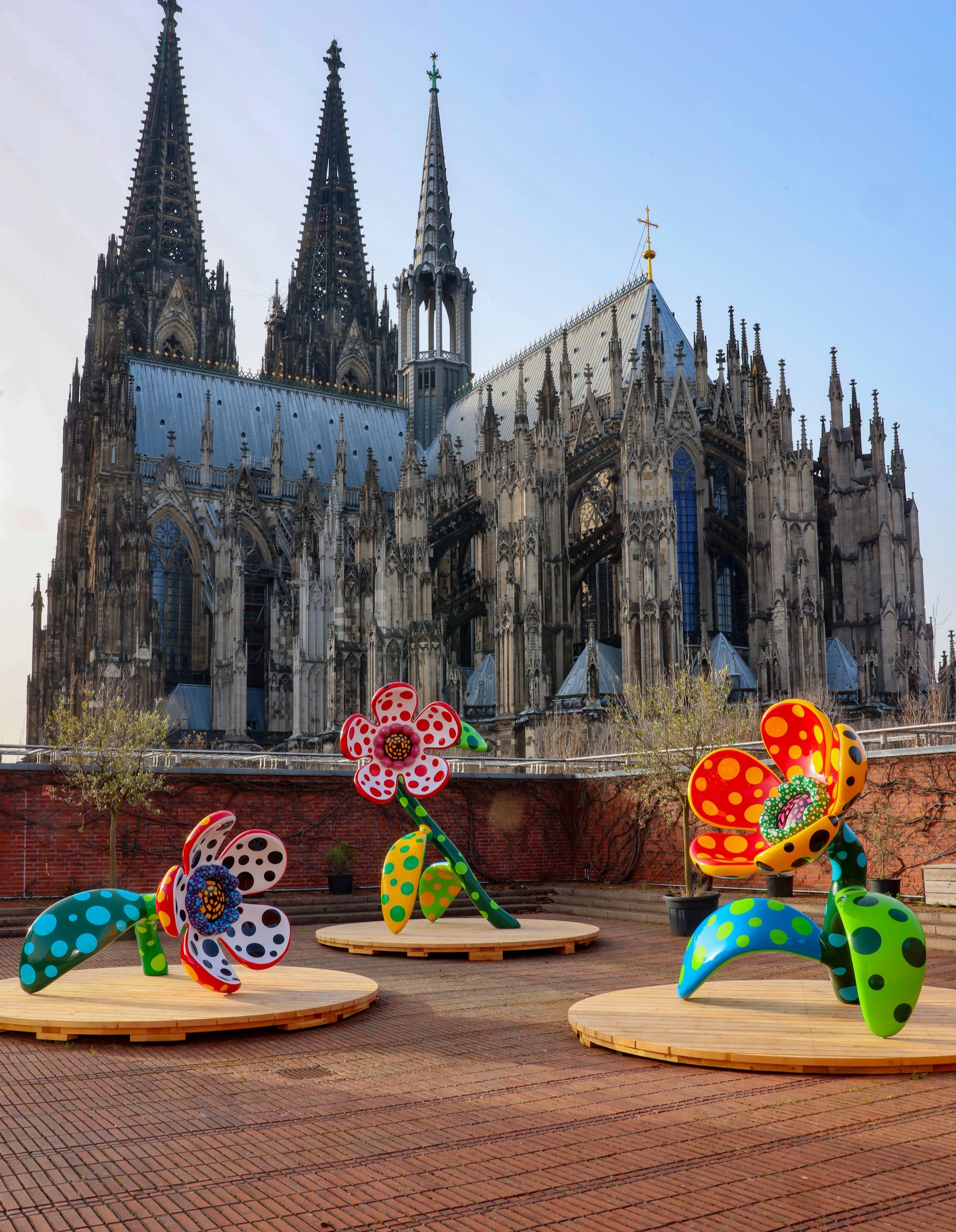
Photo: Instagram @yayoikusamamuseum, @louisvuitton